

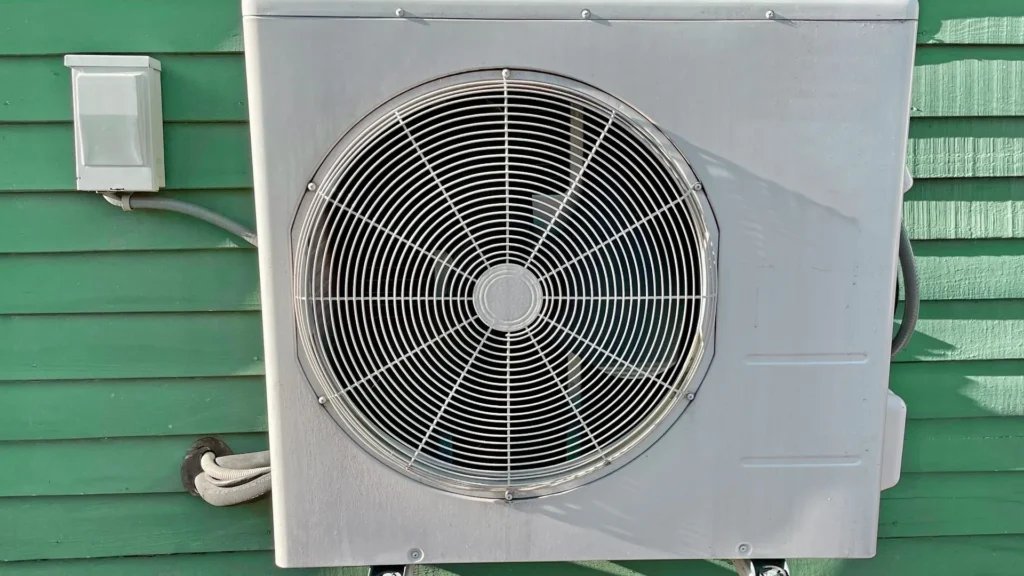
Choosing the right size AC unit is one of the most important steps in ensuring comfortable, energy-efficient cooling. Many people focus only on brand or price, but AC size (cooling capacity) plays a much bigger role in performance, electricity bills, and long-term durability.
An AC that’s too small will struggle to cool the room, while an oversized unit will cool too quickly, waste power, and reduce comfort. This guide explains how to choose the correct AC size, what factors truly matter, and how to avoid common mistakes—so you get reliable cooling that lasts.
Choosing the Right AC Size: Quick Answer
Choosing the right size AC unit depends on room size, ceiling height, sunlight exposure, insulation quality, number of occupants, and heat-generating appliances. A properly sized AC cools efficiently, maintains humidity, reduces electricity bills, and prevents long-term system damage.
Why Choosing the Correct AC Size Is So Important
AC size refers to its cooling capacity, usually measured in tons. Bigger isn’t always better.
Problems with the wrong AC size:
- Undersized AC
- Takes too long to cool
- Runs continuously
- Higher power consumption
- Faster wear and tear
- Oversized AC
- Short cooling cycles
- Poor humidity control
- Uneven temperature
- Higher upfront and maintenance costs
The right AC size ensures balanced cooling, energy efficiency, and indoor comfort.
Understanding AC Tonnage in Simple Terms
- 1 Ton AC – Small rooms
- 1.5 Ton AC – Medium-sized rooms (most common)
- 2 Ton AC – Large rooms, halls, or offices
However, tonnage alone should never be decided without considering real-world conditions.
Step 1: Calculate AC Size Based on Room Area
Start by measuring your room in square feet.
General AC Size Chart (Indian Conditions)
| Room Size (sq ft) | Recommended AC Size |
|---|---|
| Up to 120 sq ft | 1 Ton |
| 120–180 sq ft | 1.5 Ton |
| 180–250 sq ft | 2 Ton |
| Above 250 sq ft | 2 Ton or more |
This chart gives a baseline, but further adjustments are essential.
Step 2: Check the Ceiling Height
Standard AC calculations assume a 10-foot ceiling.
- Higher ceilings mean more air volume
- Rooms with ceilings above 10 feet often need higher tonnage
Example:
A 140 sq ft room with a 12-foot ceiling may need a 1.5 Ton AC instead of 1 Ton.
Step 3: Consider Sunlight Exposure and Room Orientation
Sun-facing rooms heat up faster.
- West-facing rooms
- Top-floor rooms
- Rooms with large windows or glass walls
Such rooms typically need additional cooling capacity compared to shaded spaces.
Step 4: Number of People Using the Room
Each person generates body heat.
- Bedrooms with 1–2 people: Standard calculation works
- Offices, meeting rooms, or shared spaces: Higher capacity needed
More occupants mean the AC works harder to maintain comfort.
Step 5: Heat-Generating Appliances in the Room
Appliances like:
- Computers and laptops
- Televisions
- Servers or office equipment
- Kitchen appliances
increase indoor heat. Rooms with multiple electronics require extra cooling support.
Step 6: Evaluate Insulation and Air Leakage
Good insulation helps keep cool air inside.
- Properly sealed doors and windows
- Curtains or blinds on windows
- Insulated walls and ceilings
Poor insulation causes cool air loss, forcing the AC to run longer and consume more electricity.
Step 7: Choose the Right Type of AC
Split AC
- Quieter operation
- Better cooling efficiency
- Ideal for bedrooms and offices
Window AC
- Suitable for small rooms
- Easy installation
- Slightly noisier
Inverter AC
- Adjusts cooling based on room load
- Consumes less power
- Best for long daily usage
Read More: https://www.oscarindia.in/window-ac-vs-split-ac/
Quick Checklist to Choose the Right AC Size
- Measure room size in square feet
- Check ceiling height
- Observe sunlight exposure
- Count regular occupants
- Identify heat-producing appliances
- Assess insulation quality
- Choose inverter AC for extended usage
This checklist helps avoid guesswork and ensures better results.
A Simple Rule of Thumb (Indian Conditions)
Quick Estimate:
Multiply room size (in sq ft) by 0.0012 to estimate AC tonnage, then adjust based on sunlight, ceiling height, and usage.
This gives a practical starting point before professional assessment.
Common Mistakes to Avoid While Buying an AC
- Choosing AC size only by room area
- Buying higher tonnage “just to be safe”
- Ignoring sunlight and insulation
- Not considering long-term electricity costs
- Skipping expert evaluation
Many cooling problems arise from incorrect sizing, not poor product quality.
How to Know You’ve Chosen the Right AC
A correctly sized AC:
- Cools the room within 10–15 minutes
- Maintains stable temperature
- Controls humidity effectively
- Operates smoothly without frequent on/off cycles
- Keeps electricity bills under control
Should You Get Professional Help?
While charts and formulas help, every space is different. Professional assessment considers:
- Heat load
- Local climate
- Building design
- Usage patterns
This ensures accurate sizing and long-term performance.
Final Thoughts: Comfort Comes from Precision
Choosing the right AC size isn’t about buying the biggest unit—it’s about choosing the most suitable one. Correct sizing delivers better comfort, lower energy bills, and longer system life.
Choose Smart Cooling with Oscar India
If you’re looking for expert guidance, reliable solutions, and long-term value, Oscar India stands out as a Top AC Company in India, trusted for professional assessment and high-performance cooling systems.
Contact Oscar India today to get the perfectly sized AC for your home, office, or commercial space.
Smarter cooling starts with the right choice—and the right experts.