

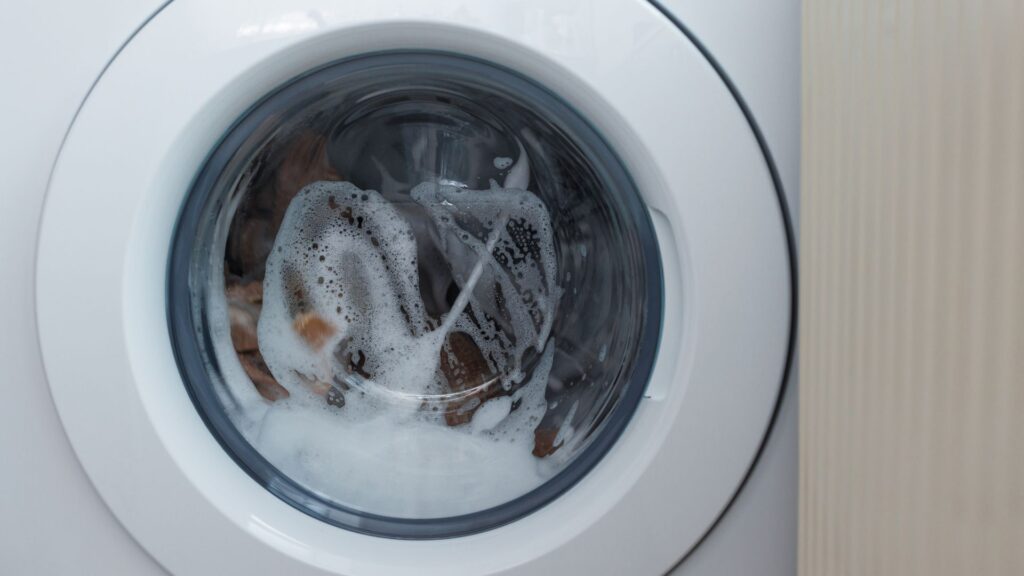
A washing machine is an essential household appliance, and even a minor issue can disrupt your daily routine. Fortunately, many common washing machine problems can be identified and resolved without professional assistance. Whether your machine won’t start, isn’t draining properly, or is making unusual noises, understanding the possible causes can help you fix the issue quickly and safely.
Can You Fix Common Washing Machine Problems Yourself?
Yes. Many common washing machine issues, such as failure to start, poor drainage, water leaks, excessive vibration, and unpleasant odors, can often be resolved through simple troubleshooting. Checking the power supply, cleaning filters, inspecting hoses, balancing the laundry load, and performing regular maintenance can solve many problems without requiring professional repairs. However, electrical faults or internal component failures should always be handled by a qualified technician.
Why Do Washing Machines Develop Problems?
Like any appliance, washing machines experience wear and tear over time. Frequent use, overloaded drums, clogged filters, improper detergent usage, and blocked hoses are among the most common reasons they stop working efficiently. Regular maintenance can prevent many of these issues, helping your machine perform better while extending its lifespan.
Quick Troubleshooting Guide
| Problem | Most Likely Cause | Quick Fix |
|---|---|---|
| Washing machine won’t start | Power supply or door not closed | Check the power outlet and ensure the door is securely shut |
| Machine won’t fill with water | Closed water tap or clogged inlet filter | Open the water valve and clean the inlet filter |
| Machine won’t drain | Blocked drain filter or hose | Clean the filter and inspect the drain hose |
| Excessive vibration | Uneven laundry load | Redistribute clothes and level the machine |
| Water leaking | Loose hose or damaged door seal | Tighten hose connections and inspect the rubber gasket |
Before You Start Troubleshooting
Before checking your washing machine, follow these simple safety precautions.
- Switch off the power supply.
- Turn off the water inlet.
- Allow the machine to cool after a hot wash cycle.
- Keep your hands dry while inspecting electrical components.
- Refer to the user manual if you’re unsure about accessing any parts.
These basic steps help prevent accidents while troubleshooting.
Washing Machine Won’t Start
If your washing machine doesn’t respond when you press the start button, the issue may be simpler than you think.
Possible Causes
- Loose power connection
- Tripped circuit breaker
- Door or lid not properly closed
- Child lock activated
- Faulty start button
How to Fix It
- Ensure the plug is firmly connected.
- Test the wall socket using another appliance.
- Close the door until it locks securely.
- Disable the child lock if it’s turned on.
- Unplug the machine for five minutes before restarting it.
If the machine still doesn’t power on, internal electrical components may require professional repair.
Washing Machine Isn’t Filling with Water
If the drum remains empty after starting a cycle, the water supply system should be your first area to inspect.
Possible Causes
- Water supply valve is closed
- Kinked inlet hose
- Blocked inlet filter
- Low water pressure
How to Fix It
- Confirm the water tap is fully open.
- Straighten any bends in the inlet hose.
- Remove and clean the inlet filter.
- Check whether your home’s water pressure is adequate.
Maintenance Tip: Cleaning the inlet filter every few months helps maintain consistent water flow.
Washing Machine Isn’t Draining
When water stays inside the drum after washing, a blockage in the drainage system is often responsible.
Possible Causes
- Clogged drain filter
- Blocked drain hose
- Pump obstruction
How to Fix It
- Switch off the machine before inspection.
- Clean the drain filter thoroughly.
- Remove any visible blockage from the drain hose.
- Check that the drain hose is installed correctly.
Maintenance Tip: Cleaning the drain filter every one to three months helps prevent drainage problems.
Washing Machine Is Making Unusual Noise
Grinding, banging, or rattling sounds usually indicate an issue that needs attention.
Possible Causes
- Uneven laundry load
- Coins or small objects inside the drum
- Machine not placed on a level surface
- Worn bearings
How to Fix It
- Redistribute heavy clothing evenly.
- Remove loose objects from the drum.
- Adjust the machine’s feet so it sits level.
- Contact a technician if grinding noises continue.
Avoid overloading the drum, as excessive weight increases stress on internal components.
Washing Machine Is Vibrating Excessively
A washing machine that shakes violently during the spin cycle is often caused by installation or loading issues.
How to Fix It
- Place the machine on a flat, stable floor.
- Balance clothes evenly before starting the cycle.
- Avoid washing a single heavy blanket or towel alone.
- Ensure transportation bolts have been removed if the machine is newly installed.
Proper installation improves both performance and appliance longevity.
Washing Machine Is Leaking Water
Water leaking from your washing machine should never be ignored, as it can damage flooring and nearby furniture.
Possible Causes
- Loose inlet or drain hose
- Damaged door seal
- Cracked hose
- Excess detergent creating excessive foam
How to Fix It
- Tighten all hose connections.
- Inspect the rubber door gasket for tears or trapped debris.
- Replace damaged hoses immediately.
- Use only the recommended amount of detergent.
Regularly inspecting hoses can help prevent unexpected leaks.
Washing Machine Doesn’t Spin Properly
If your clothes remain soaking wet after the wash cycle, the spin function may not be working correctly.
Possible Causes
- Unbalanced laundry
- Drainage issue
- Faulty lid switch
- Motor problem
How to Fix It
- Rearrange the clothes evenly.
- Ensure all water has drained before the spin cycle begins.
- Restart the spin cycle after resetting the machine.
- Check the display for any error codes.
Persistent spinning problems should be diagnosed by a qualified technician.
Bad Smell Coming from the Washing Machine
A washing machine should leave clothes smelling fresh. If unpleasant odors develop, moisture and detergent residue are usually to blame.
How to Fix It
- Leave the door open after each wash.
- Clean the detergent drawer regularly.
- Wipe the rubber door seal after use.
- Run an empty hot-water cleaning cycle once a month using a washing machine cleaner.
Routine cleaning helps prevent mould, bacteria, and unpleasant odours.
Common Mistakes That Can Damage a Washing Machine
Many washing machine problems are preventable. Avoid these common mistakes to keep your appliance in good condition.
- Overloading the drum.
- Using more detergent than recommended.
- Ignoring unusual noises.
- Leaving wet clothes inside for extended periods.
- Skipping routine cleaning.
- Forgetting to check pockets before washing.
Small maintenance habits can significantly improve your washing machine’s lifespan and performance.
Read More: https://www.oscarindia.in/how-to-choose-washing-machine-capacity/
When Should You Call a Professional?
Basic troubleshooting can solve many common issues, but some situations require expert attention. If your washing machine repeatedly displays error codes, emits a burning smell, leaks from internal components, or the drum fails to rotate despite trying the steps above, it’s best to contact a qualified technician. Continuing to operate a faulty machine may lead to more extensive and costly repairs.
Final Thoughts
Knowing how to troubleshoot common washing machine problems can save time, reduce repair costs, and keep your appliance performing efficiently. Regular cleaning, proper loading, and simple maintenance checks can prevent many issues before they become serious. By taking care of your washing machine, you can enjoy reliable performance and extend its lifespan for years to come.
If you’re looking for reliable home appliances built for everyday performance, Oscar India, one of the trusted washing Machine manufacturers, offers durable, energy-efficient washing machines designed to deliver dependable cleaning while meeting the needs of modern households.