

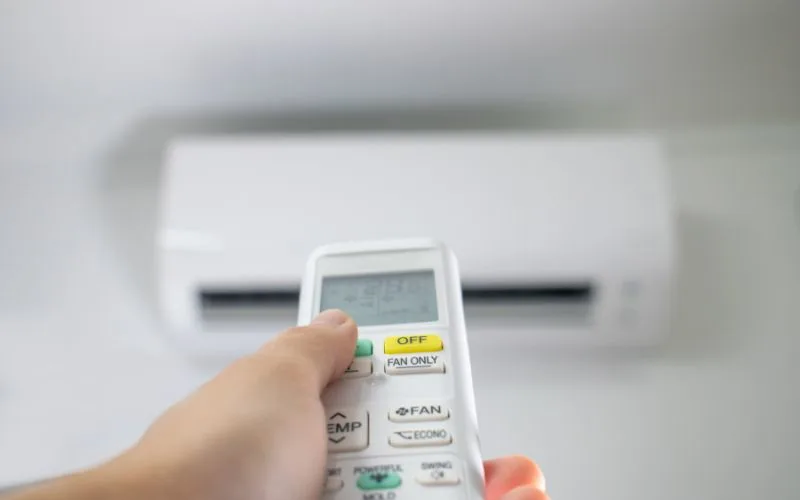
Air conditioners are essential during Indian summers, but many people still ask the same question: What is the best AC temperature for energy saving?
The ideal AC temperature for most homes and offices is usually between 24°C and 26°C. This temperature range keeps the room comfortable while helping reduce electricity consumption and unnecessary strain on the air conditioner.
Many users believe setting the AC to 18°C cools the room faster. In reality, it only increases power consumption because the compressor has to work harder for longer periods.
If your goal is comfortable cooling and lower electricity bills, maintaining the right temperature matters more than setting extremely low temperatures.
What Is the Best AC Temperature for Energy Saving?
For Indian weather conditions, experts and energy efficiency recommendations commonly suggest keeping your AC between 24°C and 26°C.
This range helps maintain:
- Comfortable indoor cooling
- Better energy efficiency
- Lower electricity bills
- Reduced compressor load
- Longer AC lifespan
Many modern air conditioners are also designed to perform efficiently around this temperature range.
Why 24°C Is Considered the Ideal AC Temperature
At 24°C, the air conditioner does not need to overwork to maintain cooling. The compressor cycles more efficiently, which reduces electricity usage over time.
Benefits of Setting Your AC at 24°C
- Consumes less electricity
- Maintains balanced cooling
- Improves cooling efficiency
- Reduces wear and tear on the AC
- Helps lower monthly power bills
Even increasing the temperature by 1°C can contribute to noticeable energy savings over long-term usage.
Is 24°C Better Than 18°C for Electricity Saving?
Yes. Setting your AC at 24°C is significantly more energy-efficient than running it at 18°C.
Lower temperatures do not cool the room instantly. Instead, they force the compressor to keep running continuously until the desired temperature is reached, which increases power consumption.
At 24°C, the AC maintains comfortable cooling while using electricity more efficiently.
Does Lower Temperature Cool the Room Faster?
No.
This is one of the most common myths about air conditioners.
An AC cools at a fixed speed based on its capacity. Whether you set it at 18°C or 24°C, the initial cooling speed remains nearly the same. The difference is that at lower temperatures, the AC keeps running for a longer time.
Instead of lowering the temperature excessively, you can improve cooling performance by:
- Using ceiling fans with the AC
- Closing doors and windows properly
- Blocking direct sunlight with curtains
- Cleaning air filters regularly
- Using sleep mode during nighttime
These small habits improve comfort while reducing unnecessary energy consumption.
Best AC Temperature for Sleeping
For sleeping, the recommended AC temperature is usually between 25°C and 27°C.
During the night, body temperature naturally drops, so extremely low cooling is often unnecessary.
Using a slightly higher temperature at night offers several benefits:
- Better sleeping comfort
- Lower electricity usage
- Reduced dryness in the room
- Improved energy efficiency
Many modern air conditioners also include sleep mode or timer mode to automatically optimize nighttime cooling.
How AC Temperature Affects Electricity Bills
The lower the AC temperature, the more electricity it consumes.
Here is a simple comparison:
| AC Temperature | Electricity Consumption |
|---|---|
| 18°C | Very High |
| 20°C | High |
| 24°C | Balanced & Efficient |
| 26°C | Most Energy Efficient |
If your AC runs for several hours daily, maintaining the right thermostat setting can make a significant difference in monthly electricity bills.
Tips to Save More Energy While Using an AC
Choosing the right temperature is important, but combining it with smart usage habits improves overall savings.
Use Inverter ACs
Inverter air conditioners adjust compressor speed based on cooling needs, helping reduce power consumption compared to conventional AC systems.
Clean Filters Regularly
Dirty filters block airflow and force the AC to work harder.
Keep the Room Properly Sealed
Air leaks reduce cooling efficiency and increase energy usage.
Avoid Frequent Temperature Changes
Constantly increasing and decreasing the temperature puts extra pressure on the compressor.
Choose Energy-Efficient AC Models
High-quality air conditioners with better energy ratings help improve long-term savings.
Why Choosing the Right AC Brand Matters
Energy savings depend not only on temperature settings but also on the quality and efficiency of the air conditioning system.
Reliable AC systems offer:
- Better compressor performance
- Optimized power consumption
- Faster and stable cooling
- Durable long-term performance
- Advanced energy-saving technology
This is why many homeowners and businesses prefer trusted cooling solutions that focus on performance and efficiency.
Final Thoughts
The best AC temperature for energy saving is generally between 24°C and 26°C. This range provides comfortable cooling while helping reduce electricity bills and improving overall AC efficiency.
Instead of using extremely low temperatures, focus on smart cooling habits, proper maintenance, and energy-efficient air conditioning systems for better long-term savings.
If you are looking for reliable and energy-efficient cooling solutions, Oscar India offers advanced air conditioning systems designed for consistent performance and optimized energy usage. As trusted AC Manufacturers, the brand focuses on delivering durable and efficient cooling solutions for both residential and commercial spaces.