

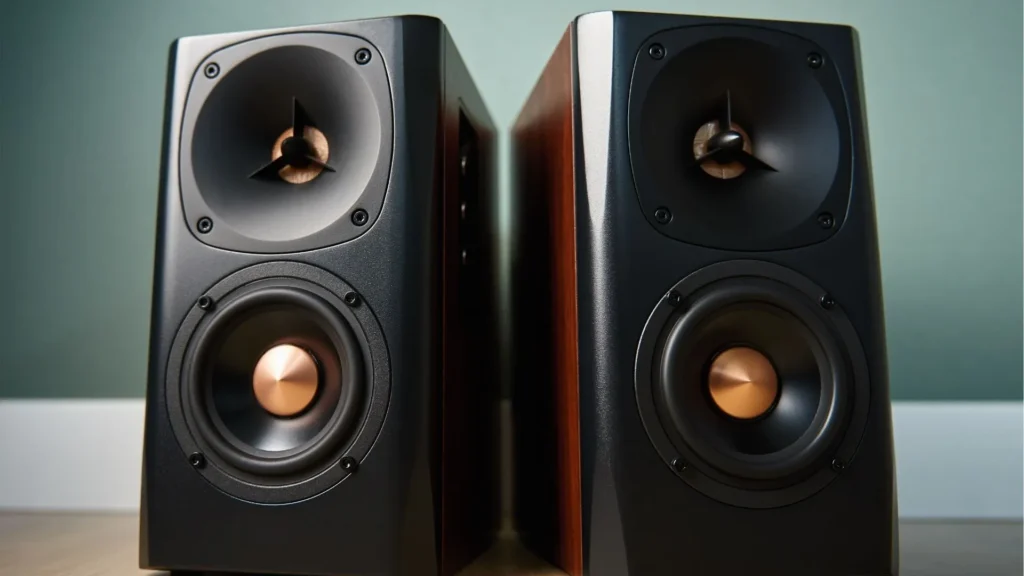
Choosing the right multimedia speaker can instantly upgrade how you experience music, movies, games, and even video calls. But with so many options—different sizes, power ratings, features, and price points—it’s easy to feel confused.
This guide breaks everything down step by step, so you can confidently choose a speaker that fits your space, usage, and budget—without technical overwhelm.
AI Overview Summary
Choosing the right multimedia speaker depends on how you use it, your room size, sound preferences, and connectivity needs. This guide explains speaker types, sound quality, power output, and key features in simple terms to help you pick the best option for music, movies, gaming, or everyday use.
What Is a Multimedia Speaker?
A multimedia speaker is a compact audio system designed to work with multiple devices such as TVs, laptops, desktops, smartphones, tablets, and gaming consoles. Unlike traditional home audio systems, these speakers focus on versatility, ease of use, and balanced sound output for everyday entertainment.
Step 1: Identify How You’ll Use the Speaker
Before comparing specifications, start with how you plan to use the speaker most often.
- Music listening → Balanced sound and clean bass
- Movies & OTT platforms → Wider soundstage and immersive audio
- Gaming → Clear directional sound and low audio lag
- Office work & video calls → Crisp vocals and clarity
Your primary use should guide every decision that follows.
Step 2: Choose the Right Speaker Type
Multimedia speakers come in different channel configurations. The right choice depends on your room size and sound expectations.
Common Speaker Types Explained
| Speaker Type | Best For | Sound Experience | Room Size | Ideal Users |
|---|---|---|---|---|
| 2.0 Channel | Work, casual music | Clear vocals, balanced output | Small rooms, desks | Students, professionals |
| 2.1 Channel | Music & movies | Enhanced bass with clarity | Medium rooms | Music lovers, OTT viewers |
| 5.1 Channel | Home theatre & gaming | Immersive surround sound | Large rooms | Movie buffs, gamers |
Tip: For most homes, a 2.1 channel setup offers the best balance between sound quality and convenience.
Step 3: Understand Sound Quality (Without the Technical Jargon)
You don’t need to be an audio expert to judge good sound. Focus on these three essentials:
1. Clarity
Voices and instruments should sound natural—not muffled or harsh.
2. Bass Balance
Good bass feels rich and controlled, not overpowering or boomy.
3. Volume Consistency
Sound should remain clear even at higher volumes, without distortion.
Checking real user reviews or listening to a demo can help you judge this better than specs alone.
Step 4: Choose Power Output Based on Room Size
Power output (measured in RMS watts) affects loudness—but higher isn’t always better.
- Small rooms / desk setups → 10–30W RMS
- Medium-sized rooms → 30–60W RMS
- Large rooms → 60W RMS and above
Choose power according to space and usage, not just numbers.
Step 5: Check Connectivity Options
A good multimedia speaker should easily connect to all your devices.
Essential Connectivity
- Bluetooth for wireless streaming
- AUX / 3.5mm jack for stable wired use
- USB for direct playback
Additional Features (Nice to Have)
- Optical input for TVs
- Multi-device pairing
- Remote control for convenience
The more flexible the connectivity, the easier the speaker fits into your daily routine.
Read More: https://www.oscarindia.in/step-by-step-guide-how-to-connect-a-multimedia-speaker/
Step 6: Size, Design & Placement Matter
Sound quality is important, but practicality matters too.
- Compact speakers suit desks and small rooms
- Larger cabinets often deliver better bass
- Front-facing controls are easier to access
- Minimal designs blend well with modern interiors
Choose a speaker that fits both your space and your lifestyle.
Step 7: Consider Build Quality & Brand Trust
A well-built speaker not only lasts longer but also performs more consistently.
Look for:
- Solid cabinet construction
- Durable knobs and buttons
- Reliable warranty and service support
Established brands often offer better tuning, safety standards, and long-term value.
Step 8: Set a Smart Budget
You don’t need the most expensive speaker—just the right one.
- Entry-level options work well for casual listening
- Mid-range speakers offer the best value for most users
- Premium models focus on power, design, and audio precision
Spend based on actual usage, not hype or marketing claims.
Common Mistakes to Avoid
- Buying high-wattage speakers for small rooms
- Ignoring connectivity needs
- Choosing bass-heavy models with poor clarity
- Compromising build quality for flashy features
Avoiding these mistakes ensures better performance and long-term satisfaction.
Final Thoughts: Choose Smart, Listen Better
The best multimedia speaker is the one that matches your room, usage, and listening habits—not just the one with the biggest specifications.
By focusing on sound quality, connectivity, power, and reliability, you can make a confident choice that enhances your everyday entertainment experience.
Looking for the Right Multimedia Speaker for Your Needs?
Whether you want deep bass for music, cinema-like sound for movies, or clear, immersive audio for gaming, Oscar India offers a reliable range of multimedia speakers built for real-world performance and long-lasting quality.
Explore Oscar India’s multimedia speaker range and upgrade your audio experience today.